Area guide · Fathom Five
Flowerpot Island, and how much time to give it
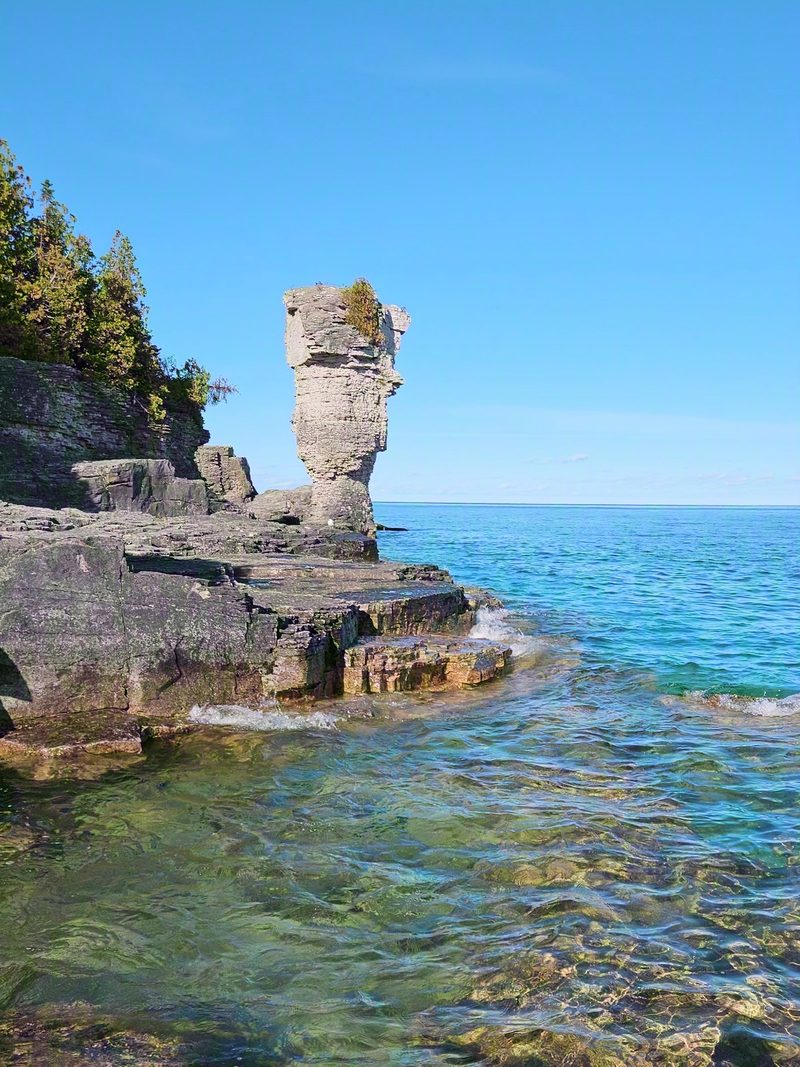
Two improbable rock towers stand on the shore of an island 5 km off Tobermory, looking like clay flowerpots somebody left at the waterline. They are the reason people book the boat. The first time, we let visiting family take the stay-aboard cruise, and we regret it to this day because they only saw the flowerpots from the water and never set foot on the island. If you are taking the boat anyway, we strongly recommend that you get off and walk the island. Here is how to book the boat properly.
Getting there, and the one decision that matters
Flowerpot Island sits inside Fathom Five National Marine Park, Canada's first national marine park, and the only way on is by boat from Little Tub Harbour in Tobermory village. The crossing is run through the warm season by 2 long-running local operators, Blue Heron Cruises and Bruce Anchor Cruises, mostly in glass bottom boats that swing over the shallow wrecks in Big Tub on the way out. Those are covered in our shipwreck guide, and you get them included whether you planned to or not.
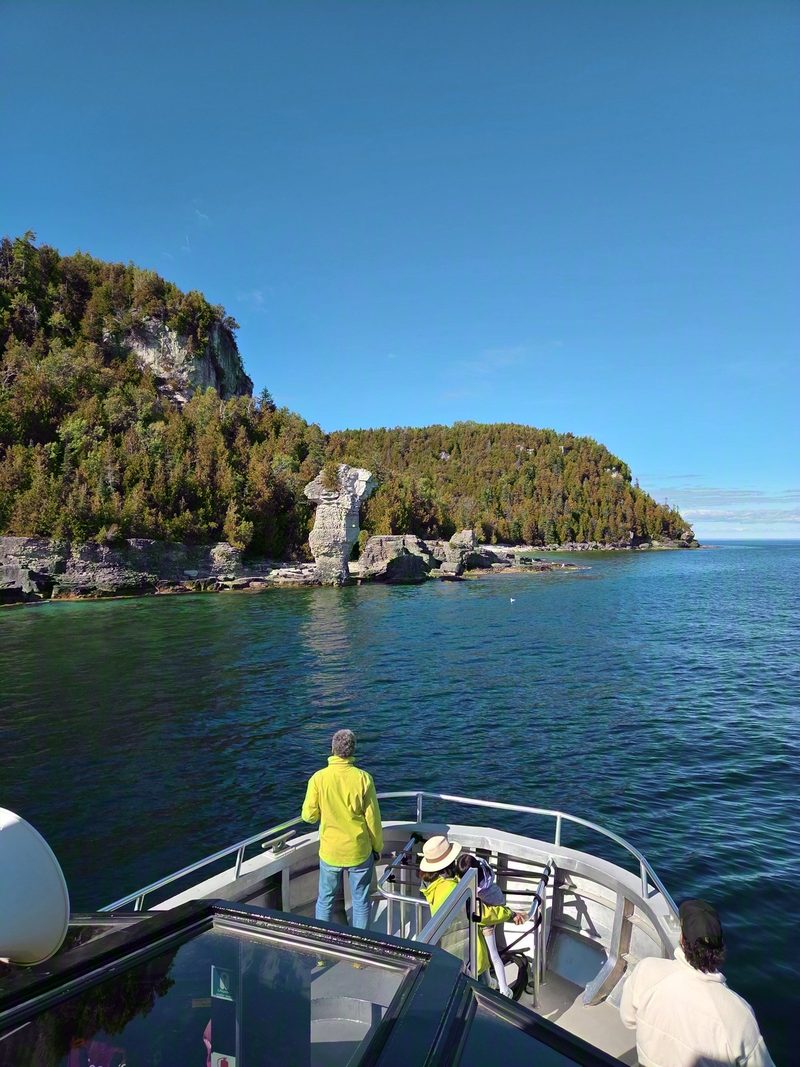
- Both operators sell 2 different tickets and only 1 of them lands. Blue Heron's Stay Aboard Scenic Cruise and Bruce Anchor's Scenic Stay-Aboard Cruise both keep you on the boat, run about 90 minutes and turn around at the flowerpots. The drop-off tour is the one that puts you ashore, and it is the only way to see anything past the first 2 rocks.
- You pick your return sailing from their schedule when you buy the ticket, and that is the whole trip. The boats are spaced through the day, so 4 to 6 hours on the island is comfortable. 2 hours gets you to the flowerpots and back to the dock with time to spare and nothing to spend it on.
- Take a morning departure. Calmer water on the crossing, cooler walking on the island and the flowerpots still lit from the front.
- Summer weekends sell out. Book ahead and confirm the current sailing schedule with the operator, because it shortens through September and October.
- The park charges a landing fee on top of the boat fare. Check what your ticket includes so you are not solving that on the dock.
- Bad weather cancels boats. Georgian Bay decides, not the operator, and it can happen on a sunny day if the wind is up. Keep a spare day in the plan if the island is the thing you came for.

Landing at Beachy Cove
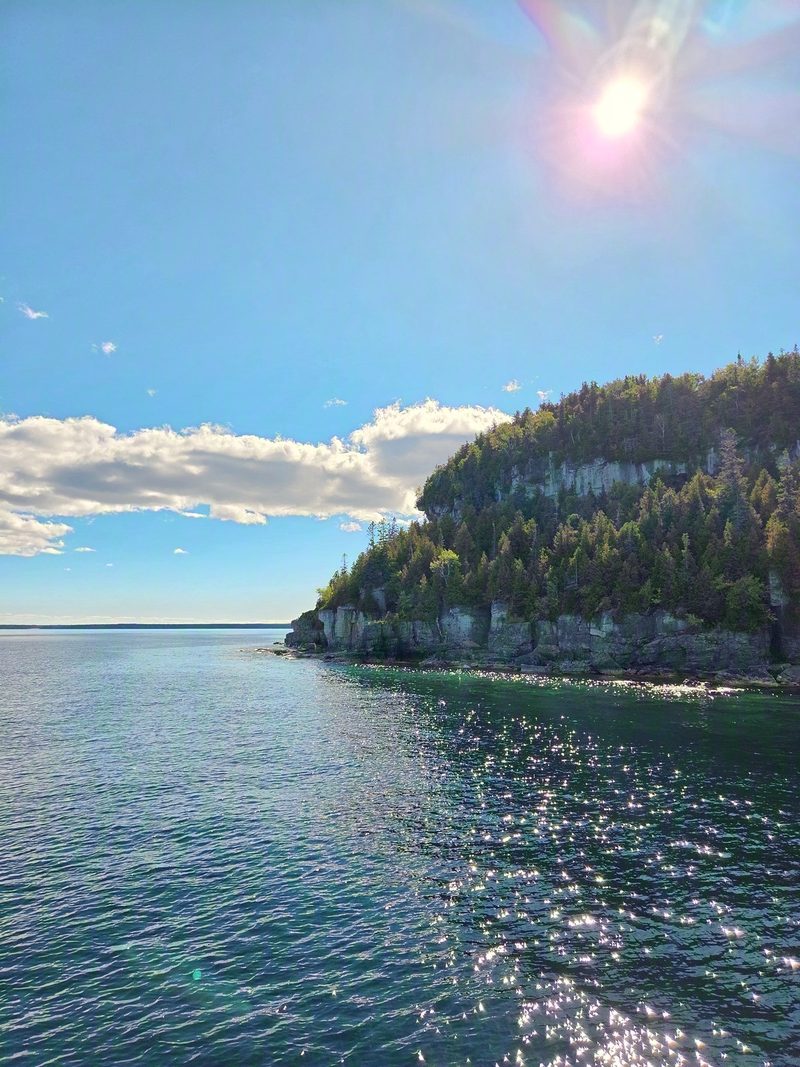
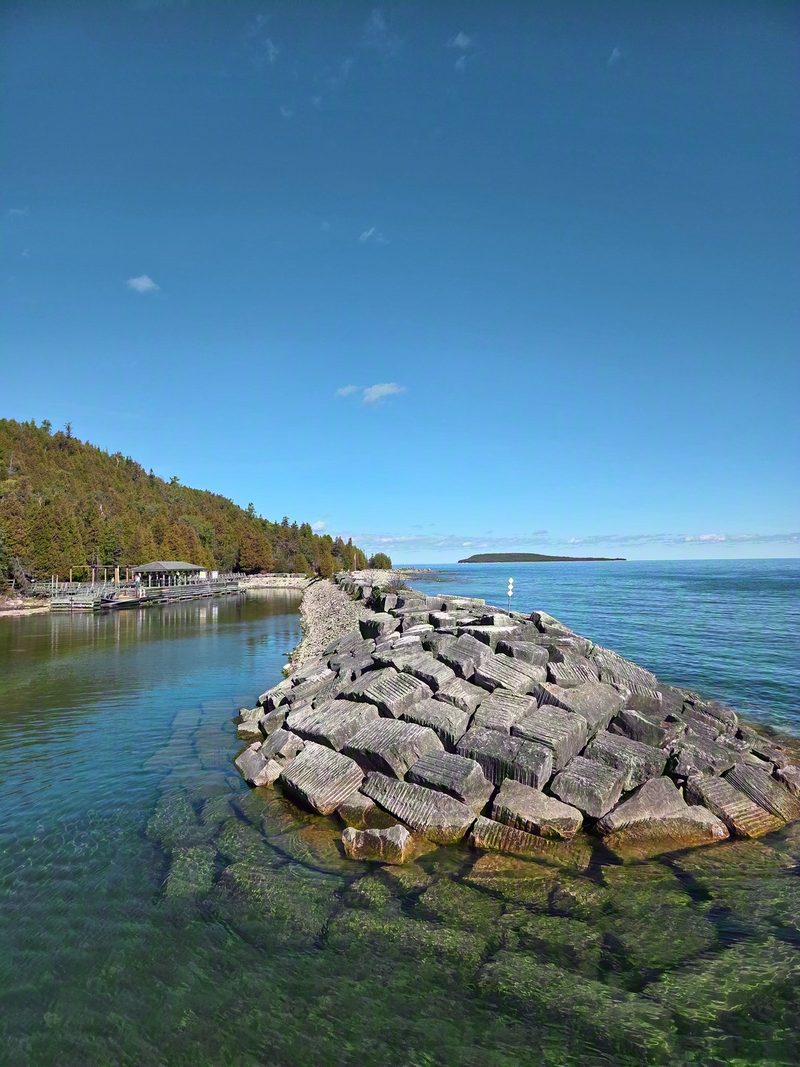
The dock is at Beachy Cove on the sheltered side. There are composting toilets and a picnic shelter near it and that is the entire list of facilities on the island. No food, no drinking water, no shop and no garbage cans, so everything you carry on you carry off.
You can swim at Beachy Cove. It is Georgian Bay cold and the bottom is cobble, so water shoes and low expectations. There are a handful of backcountry campsites near the cove, booked separately and well in advance, if you want to still be there when the last boat leaves.
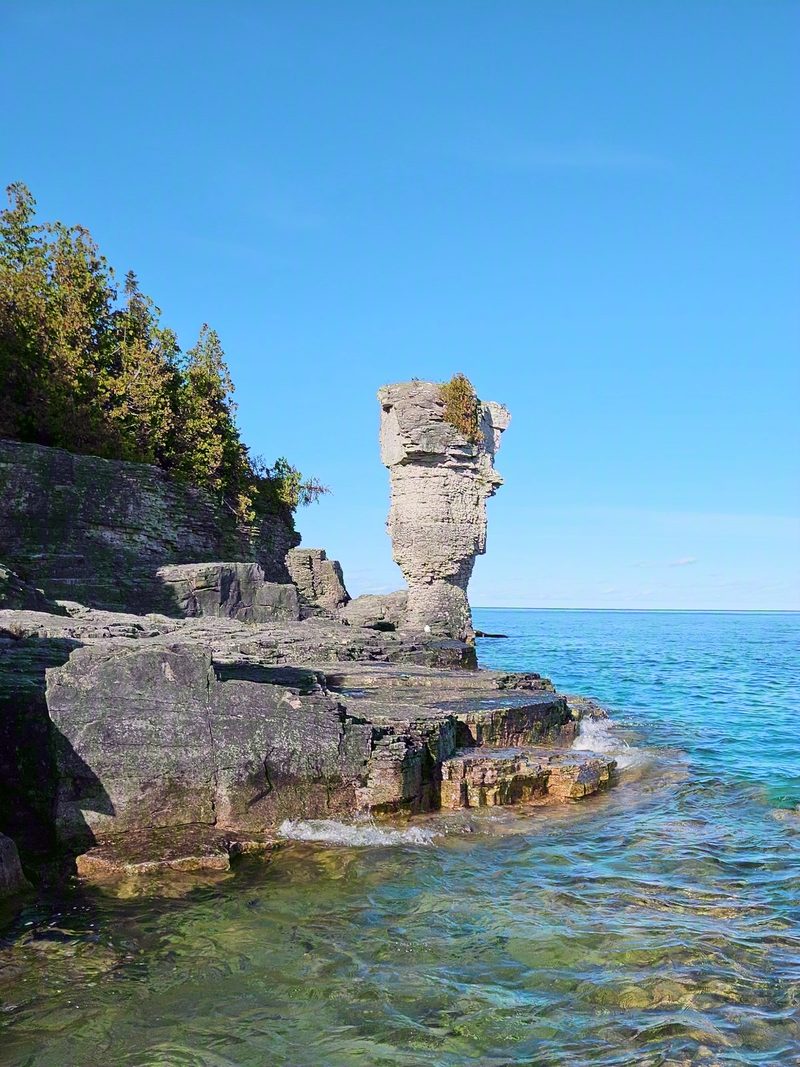
The flowerpots
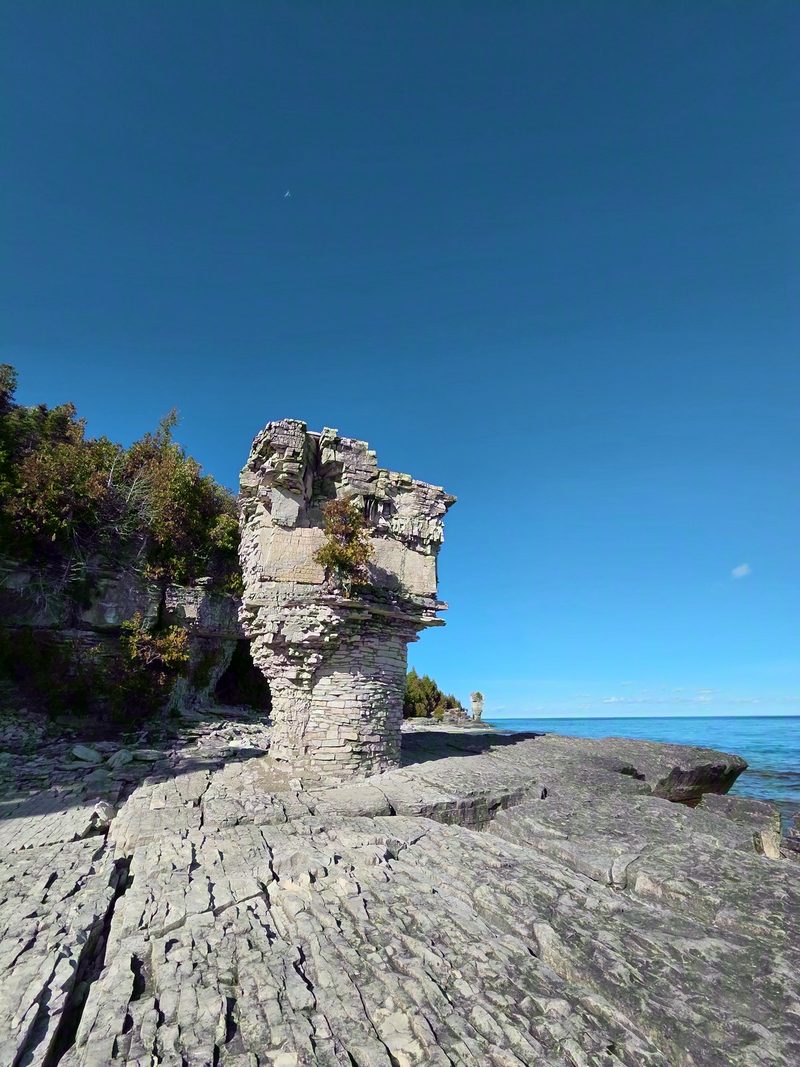
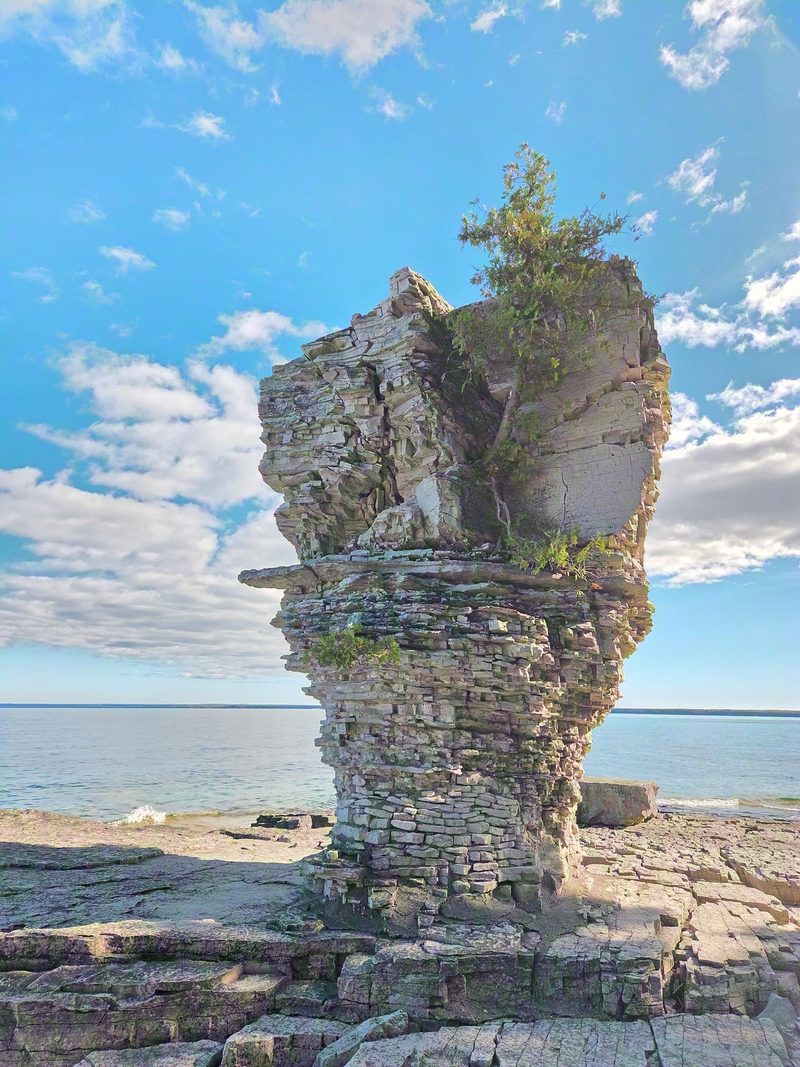
An easy shoreline trail runs from the dock to both flowerpots in about 20 minutes, over rock and boardwalk with a few steps. They formed the way sea stacks always do, with waves cutting away the softer rock underneath a harder cap until what is left is a column standing off the shore.
Everybody off your boat arrives at roughly the same moment, so the flowerpots are busy for about 10 minutes and then empty out as people push on. If you want them to yourself, sit down and let the group go. The light is best in the morning, from the water side.
Past the flowerpots, where most people stop
- The cave. A marked staircase climbs to a shallow cavern in the cliff face, cool and echoing and reliably the part children talk about afterwards.
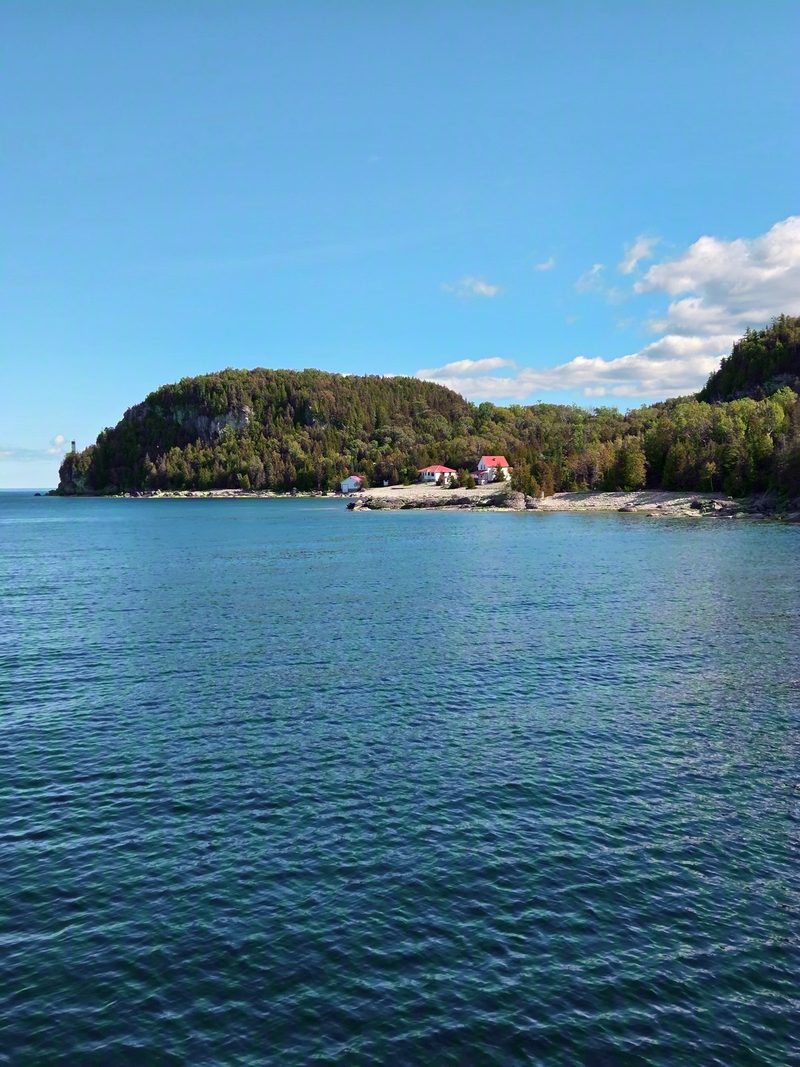
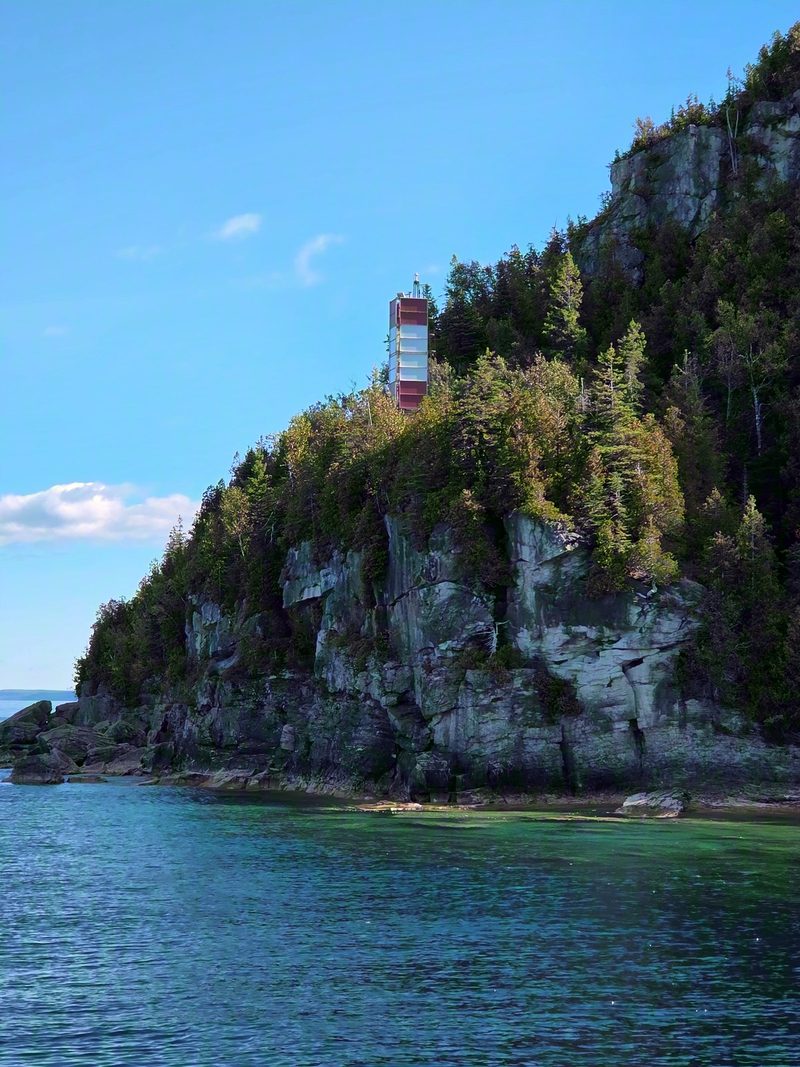
- The lightstation at Castle Bluff, where a keeper's house has stood since 1897. Volunteers run a small museum in season and the view over open water from up there is the best on the island.
- The loop trail, roughly 3 km around the seaward side, for quiet forest, orchids in June and long stretches where the only sound is water and gulls. It is rockier and rootier than the shoreline path, so allow real time and wear real shoes.
What to pack
- Lunch and at least 1 liter of water per person. Nothing is sold on the island, and the boat will not wait while you regret that.
- Proper shoes. The shoreline trail is fine in trainers, the loop is not fine in sandals.
- A light sweater, even in July. The island runs a few degrees cooler than the mainland and the boat ride back is windy.
- Sun protection. The limestone shore is bright and there is no shade where the flowerpots are.
- A bag for your trash. Pack in, pack out, no exceptions.
With children, in half a day, in September
Children do the flowerpot trail easily. The full loop is a bigger ask and the cave staircase is the thing they will remember, so plan the day around those 2 and treat the loop as optional.
Half a day works if you take the first boat out and accept that you are choosing the flowerpots and the cave over everything else. It is a real trip and not a shortened one.
September may be the best month on the island. The water still holds August, the light has turned golden, the boats are half empty and the trail is yours for long stretches. The only thing to watch is the sailing schedule, which thins out as the season closes.
The photos on this page are from an October crossing, which tells you the season runs later than most people assume. Ours pairs naturally with an afternoon in the village afterwards, covered in the where to eat guide and the 3-day itinerary.
Sailing schedules, fares and landing fees are set by the operators and Parks Canada and change season to season. Confirm on the Fathom Five page and with your operator before you book. Trust them over any blog, ours included.
Keep planning
Where to go next
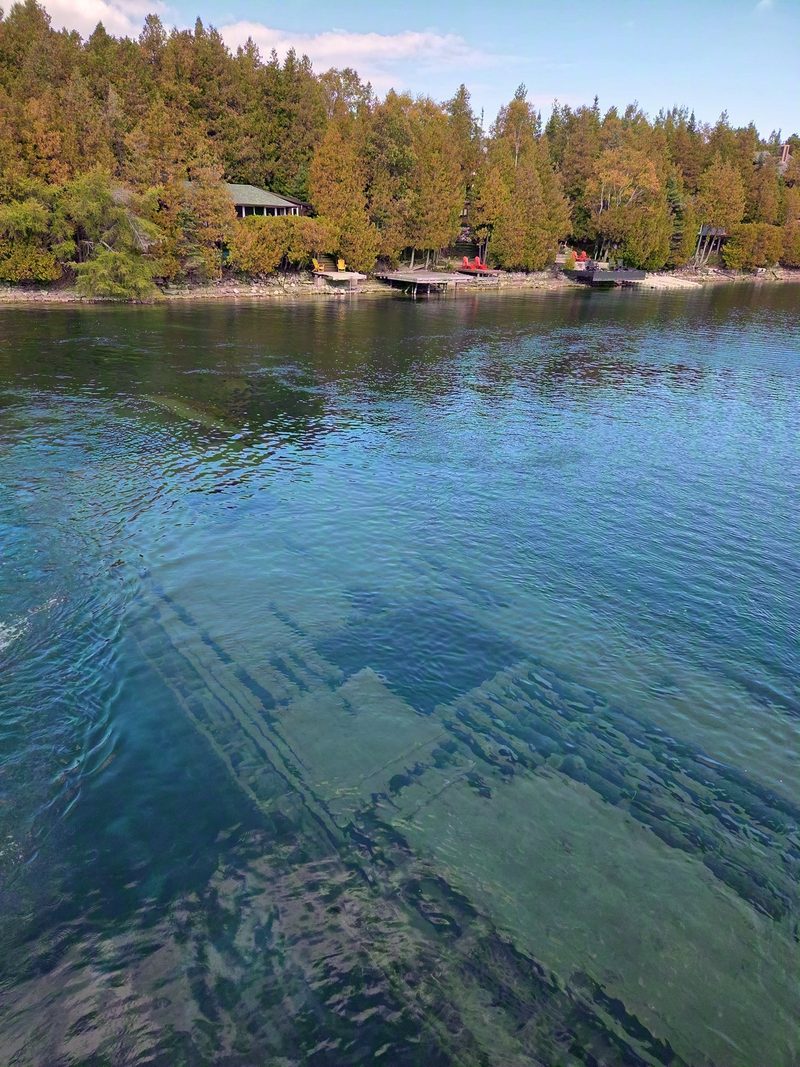
The shipwrecks at Big Tub
Your boat crosses them on the way out. Here is what is down there and how else to see it.
Keep reading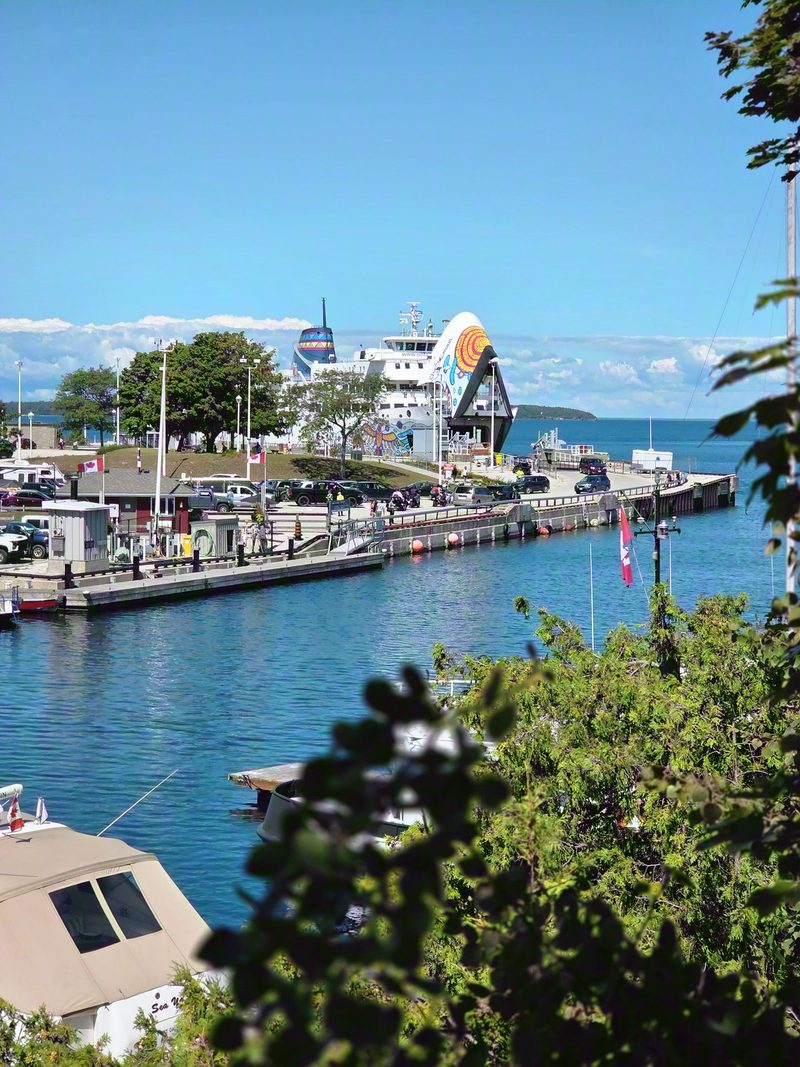
The Chi-Cheemaun ferry
The bigger boat out of the same harbour, and the one that goes somewhere.
Keep reading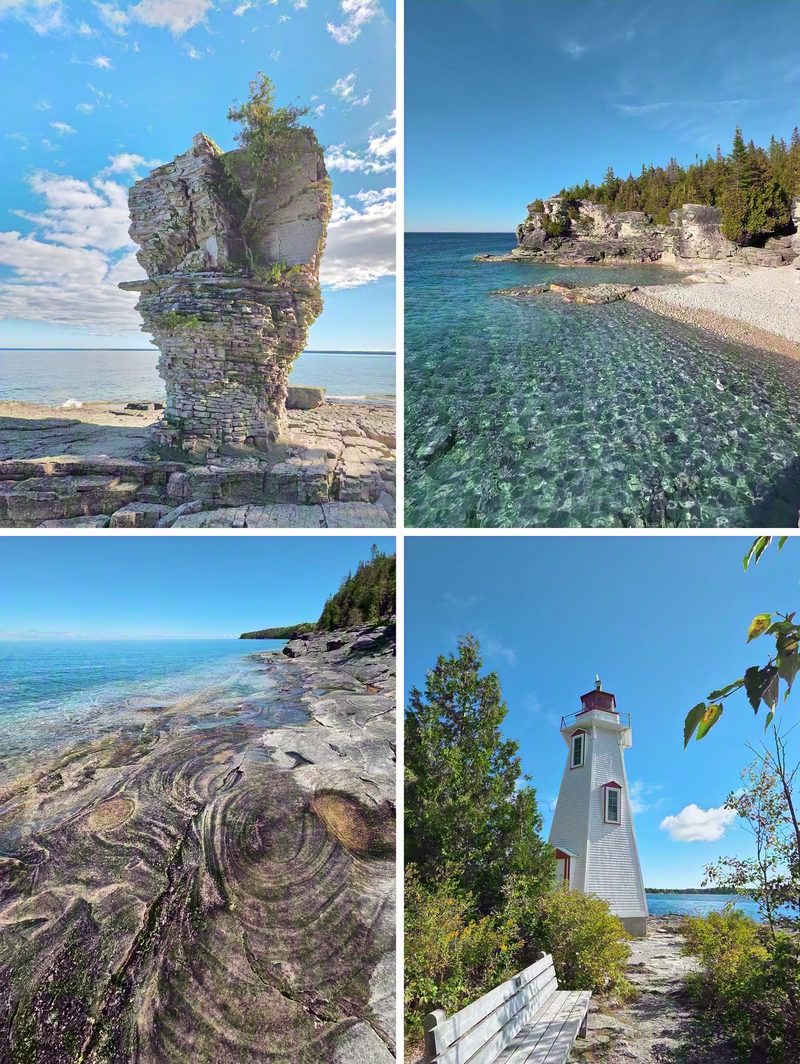
3 days in Tobermory
Where a full island day sits in 3 days without wrecking the other 2.
Keep reading