Area guide · Singing Sands Beach
Singing Sands: the warm, shallow side of Tobermory
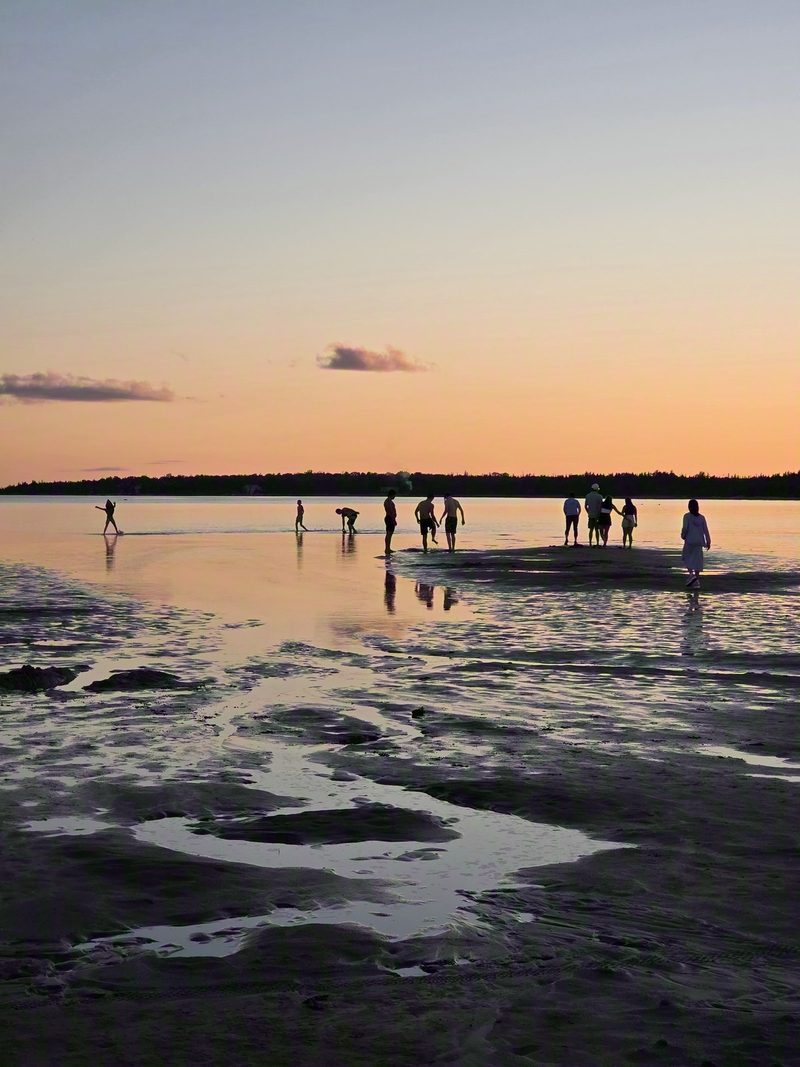
Everyone drives up for the Grotto. Singing Sands is the same peninsula seen from the other side, and it is the only sandy beach up here: Lake Huron, a sand bottom instead of cliffs and shallow water warm enough that children can spend a whole afternoon in it. That is also why the lot is full for most of a summer day, and there is nowhere else to leave a car. No street parking, no pulling onto somebody's driveway. Go very early in the morning or late in the afternoon. We spent our first summers here treating it as a midday beach, which is the part of the day it does least well, because the whole place faces west and saves the sunset for last.
Why the water is warm here
The Georgian Bay side of the peninsula drops off a cliff into cold deep water. Singing Sands, on the Lake Huron side, does the opposite. The bottom is a wide sand flat that slopes so gently you can walk out a long way and still be shin deep, and shallow water in the sun warms up in a way that deep blue water never will.
That is the practical difference between the 2 coasts and it is the reason this is the beach with small children on it. The Grotto is somewhere you gasp your way into for 4 minutes. Singing Sands is somewhere you stay for an hour.
The name comes from a faint whistling the dry sand can make underfoot in the right conditions. You may hear it and you may not. Nobody we know has managed it on demand.

The fen behind the beach
Most people never turn around. Behind the sand is one of the more unusual pieces of ground in Ontario, a fen, which is an alkaline wetland fed by groundwater rather than rain, and a short flat boardwalk runs through it. Carnivorous pitcher plants grow there. So do wild orchids, and in June that includes the Ram's Head lady's slipper, which botanists drive a long way to stand in front of.
The loop takes about 20 minutes. Do it even if you cannot tell an orchid from a dandelion. It is also the easiest walk in the national park, which makes it the right call with a stroller, with grandparents or on a day when the wind has ruined the beach.
Parking, fees and what is there
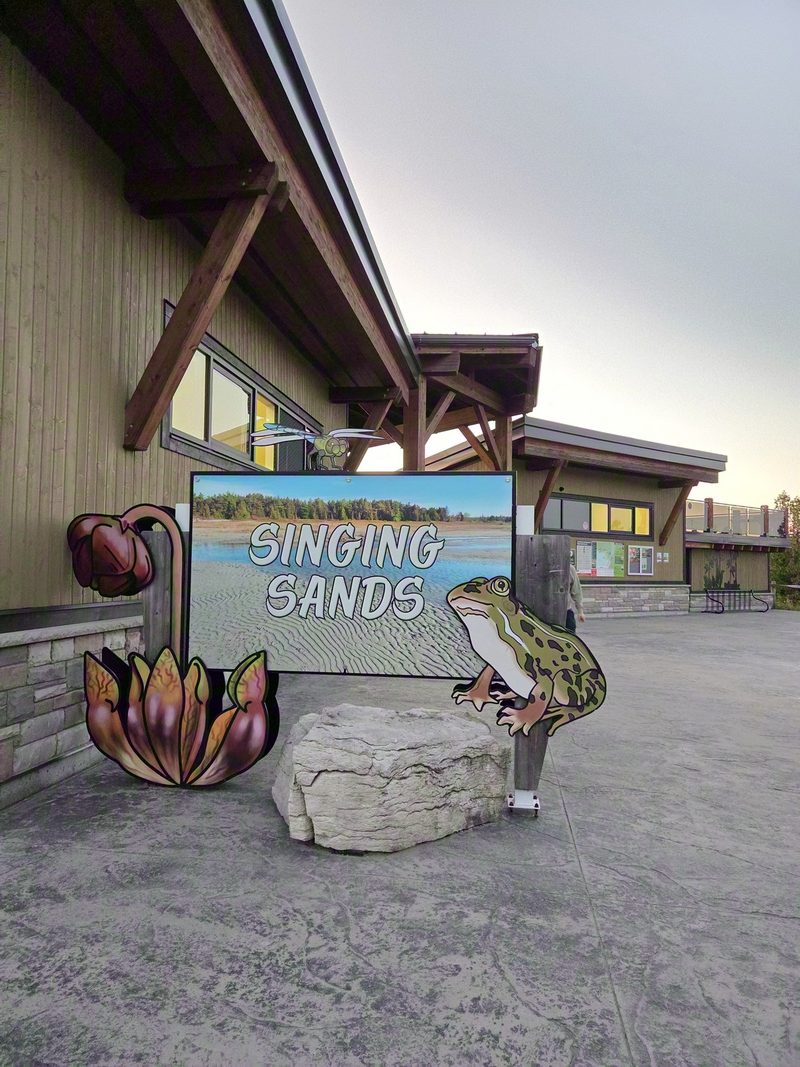
- It is a national park day-use area, so a fee applies, paid at the machine or covered by a Parks Canada pass. It has nothing to do with the Grotto parking reservation, which does not apply on this side.
- No reservation is needed here. The lot is first come first served and may fill up early every morning in July and August.
- If the lot is full you are driving away. There is no overflow, no street parking along the road in and no parking on the driveways of the properties nearby, which are all private. Arrive very early or come back late in the afternoon.
- Washrooms and picnic tables near the parking area. No food, no drinks, no shop.
- Dogs are welcome on leash in the designated areas. The signage at the entrance tells you which.
- Pack everything back out. There is no garbage collection on the beach, and the fen behind it is exactly the sort of habitat a stray wrapper does not belong in.
What to bring
- Water shoes. The flats are lovely and there are stony patches and zebra mussel shells scattered through them.
- Shade of your own. An umbrella or a beach tent, because the tree line is a long way back from where you will want to sit.
- More water than you think. Nothing is sold here.
- A sweater for the evening. The wind swings onshore as the land cools and it can turn a warm evening chilly in 20 minutes.
The wind decides everything
Singing Sands faces roughly west into open Lake Huron with nothing between it and Michigan. On a calm day it is a mirror. On a west wind day the flats vanish under small surf, the water goes cloudy with stirred sand and the beach becomes a louder and completely different place. Still beautiful, and not the day to bring a toddler and a picnic.
Check the wind direction before you drive out, not just the temperature. West or southwest means waves. East or south means glass.
When to come
- Late afternoon into evening, if you only go once. Arrive 45 minutes before sunset, then walk south along the shore. Almost everybody clusters within sight of the parking lot, and 50 m of walking usually buys you your own stretch of sky.
- June for the orchids, which is a short window, so plan around it if that is your thing.
- July and August for the warm water. Mornings if you want the lot, evenings if you want the light.
- September is the quiet version of all of it. The water is still holding summer, the crowds have gone back to school and sunset comes early enough that nobody has to be kept up for it.

The photos on this page come from a single August evening, between 8 and 8:40 p.m. Late September does the same thing an hour earlier.
What to pair it with
Singing Sands sits between Tobermory village and the southern peninsula, so it drops into almost any day without a detour. The classic combination is the Grotto on the first slot of the morning, a slow lunch, then Singing Sands for the last 2 hours of light. Cliff and sand flat, cold water and warm, inside a single day. Our 3-day itinerary fits both in without rushing either, and the where to eat guide covers the part in between.
Fees, dog rules and seasonal closures change year to year. Confirm on the Bruce Peninsula National Park page before you go. Trust them over any blog, ours included.
Keep planning
Where to go next
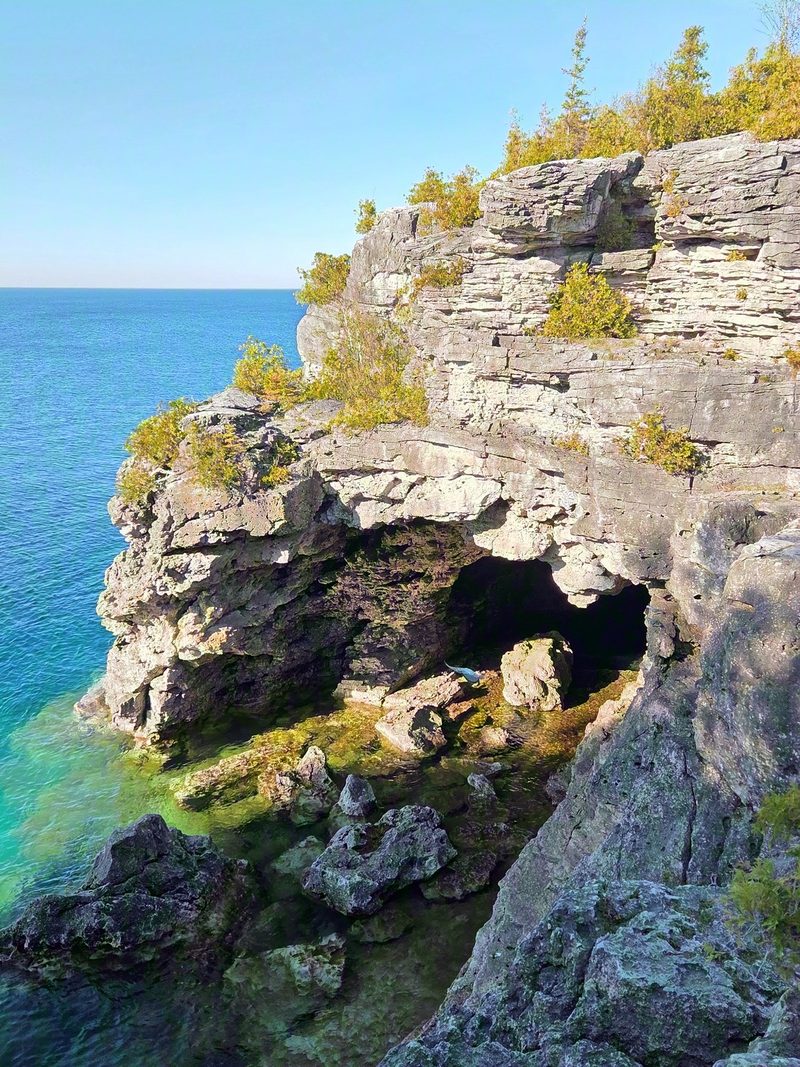
The Grotto reservation guide
The other coast, the cold one, and the booking system you have to beat to see it.
Keep reading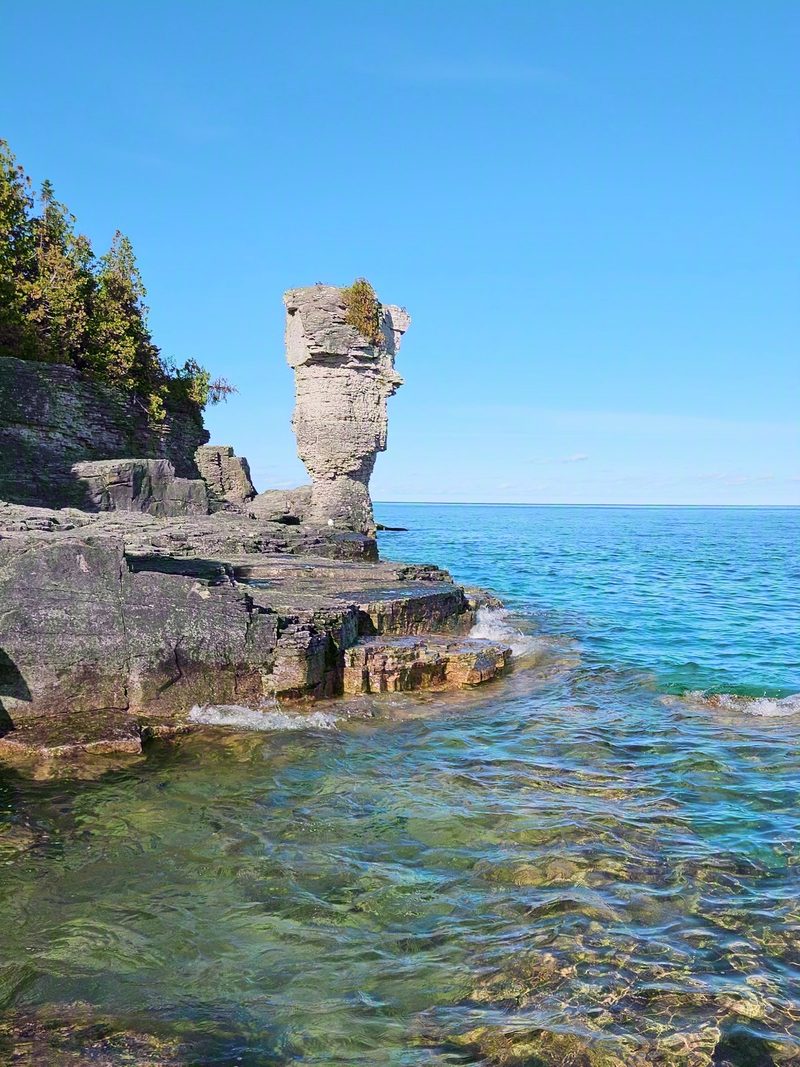
Flowerpot Island
The best full day the peninsula offers, and it starts with a boat.
Keep reading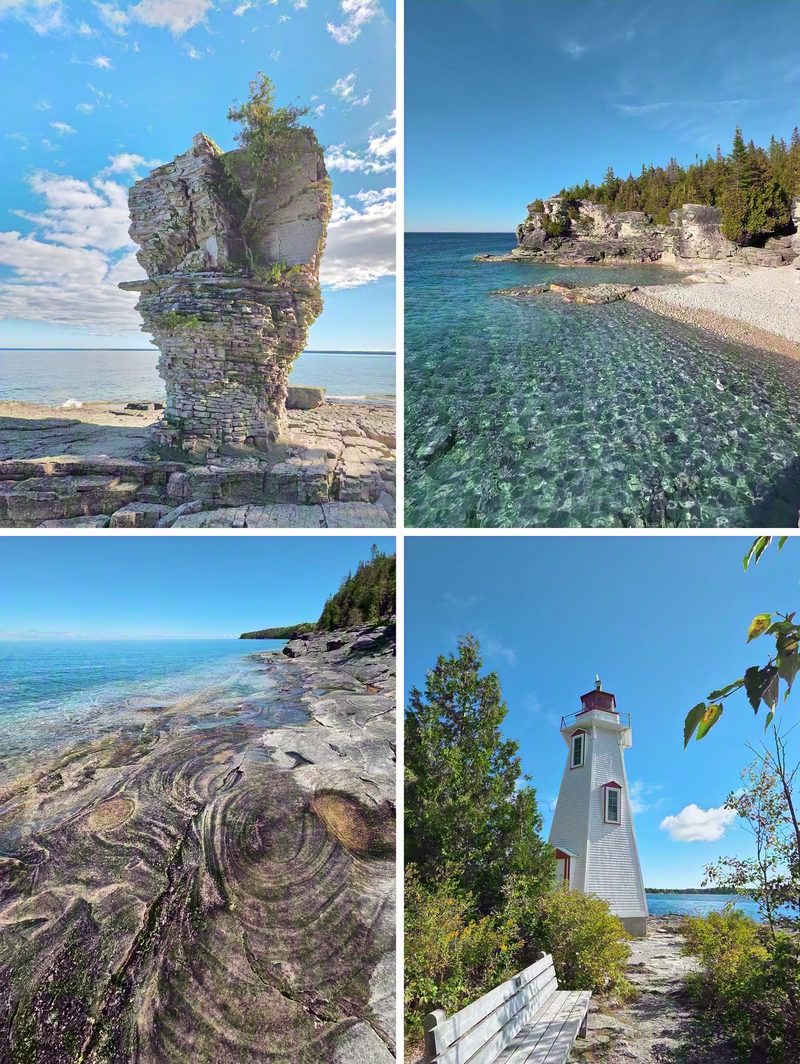
3 days in Tobermory
How to fit both coasts into 3 days without driving all of it twice.
Keep reading