Area guide · After dark
A Dark Sky Preserve rewards patience, not equipment
Almost everyone does the same thing on their first night up here. They walk outside at 10, look up for 90 seconds, decide it is nice and go back in to the light. Then they check the moon calendar the next morning and find they were standing under a full one. The sky here is remarkable, but it runs on a schedule that has nothing to do with yours, and 3 things decide what you see: the moon, your eyes and how long you are willing to stand still.

What the designation actually means
The Royal Astronomical Society of Canada designated Bruce Peninsula National Park a Dark-Sky Preserve in 2009, covering the park's 154 square kilometres at the north end of the peninsula. The Municipality of Northern Bruce Peninsula had already declared itself a Dark Sky Community in 2004, which is why the lighting on the roads and around the village is quieter than you expect for a place that fills with visitors.
The practical translation: this is some of the darkest sky in southern Ontario, about 300 km from Toronto. It is dark enough that the Milky Way is obvious to the naked eye on a moonless night, which is something most people have never seen from where they live.
Where to stand
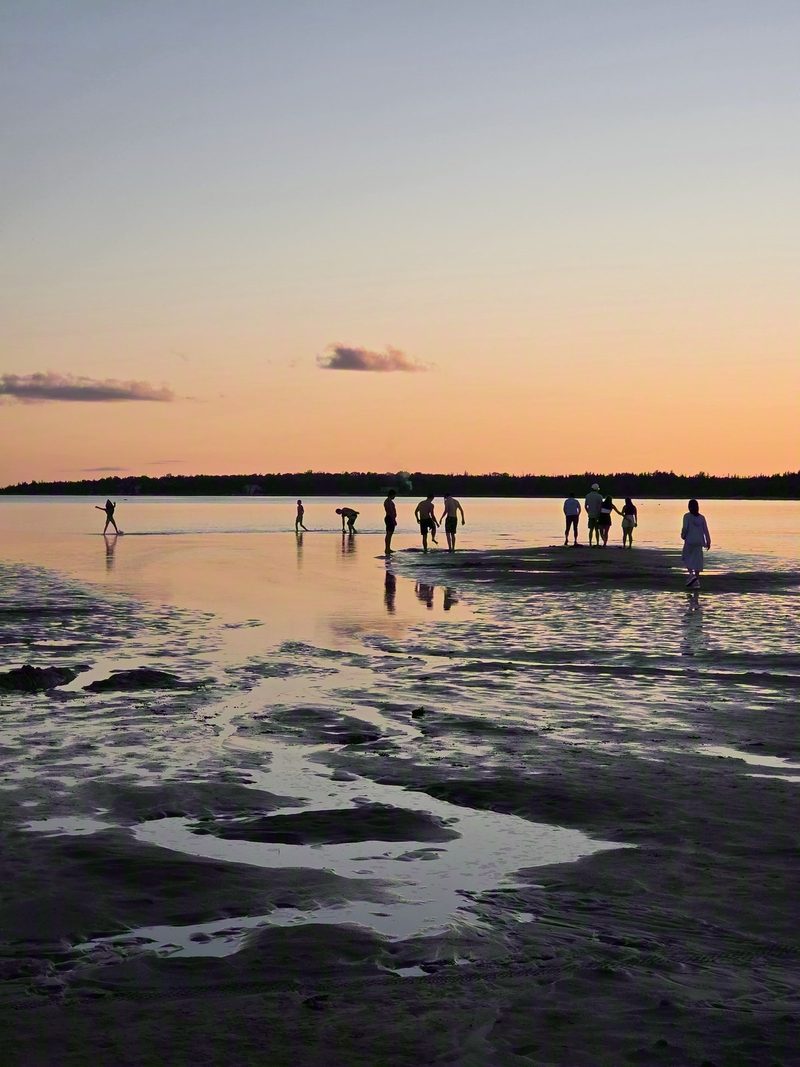
- Singing Sands. RASC names this one specifically for having no lights and a low horizon, and the low horizon is the part that matters. On the Lake Huron side you are looking west over water with nothing in the way. There are no facilities out there after hours, so bring everything with you. Our Singing Sands guide covers the daytime version.
- The Cyprus Lake area is the park's main observing site, with sky quality readings around 21.5 magnitudes per square arcsecond and a day-use road that stays plowed through winter. Check current after-hours access with the park before you plan a night around it.
- The Peninsula Observation Deck in Lion's Head harbour, built in 2011, is where the Bayside Astronomy program sets up telescopes for the public. Confirm dates before driving 30 minutes south for it, because the season and the schedule both move.
- Any west-facing shore away from a porch light will do more for you than driving somewhere famous. The sky is the same overhead. What changes is what is glowing at ground level near you.
The moon runs your night
Nothing else comes close. A full moon puts out enough light to read a trail sign by, and it erases the Milky Way completely. Look at a moon phase calendar before you pick your nights, then plan around it rather than against it.
- The week around new moon is when the faint sky is available. Stars, the Milky Way, meteors, satellites, all of it.
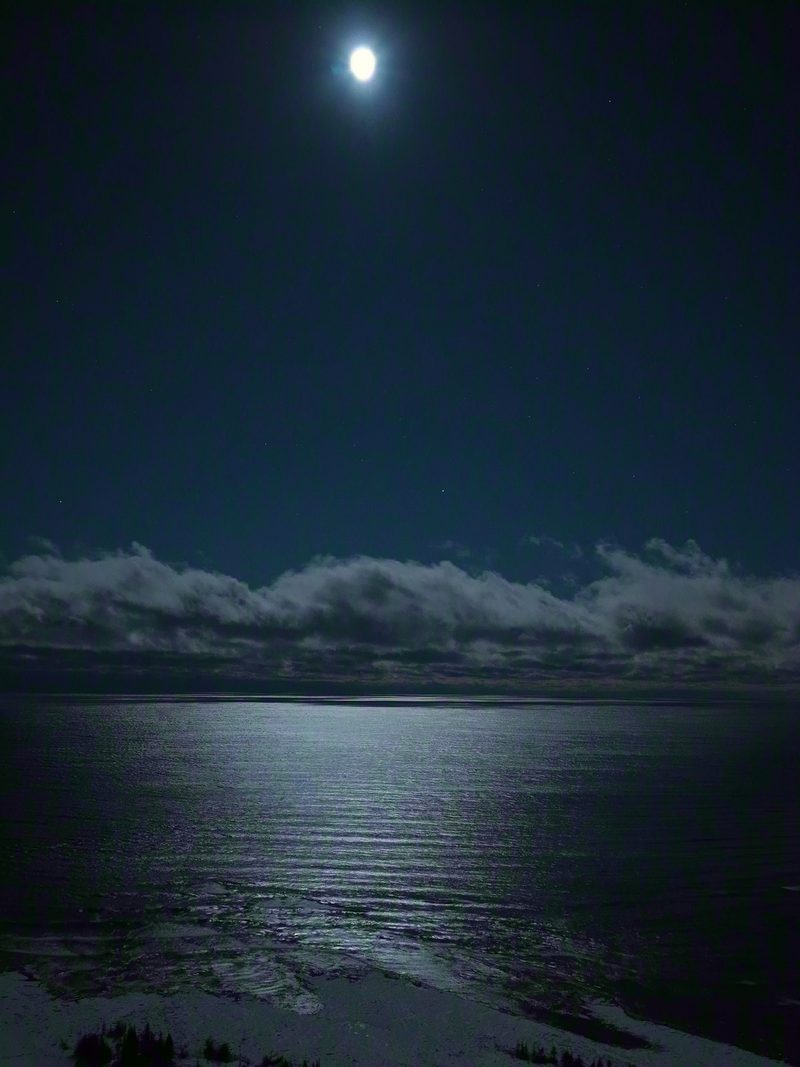
- A full moon night is a different event, not a failed one. You can walk a cobble shore without a flashlight, the water carries a path of light straight to you, and the whole shoreline reads in shades of grey. It is the best night of the month for a walk and the worst for stars, so take the walk instead.
- A first or last quarter moon gives you both, since the moon sets or rises partway through the night and the dark half of the night is yours.

Give your eyes the 20 minutes they need
This is the difference between a decent night sky and an astonishing one.
- Dark adaptation takes 20 to 30 minutes and it is chemical, not a matter of concentration. Stand outside and wait. The sky visibly fills in while you do.
- One phone screen undoes all of it, for you and for everyone standing near you. Put the phone away or set it to its dimmest red.
- Use a red light for everything else. A headlamp with a red mode, or a piece of red cellophane taped over a small flashlight.
- Look slightly to the side of a faint thing. The edges of your vision are better in the dark than the centre, so a dim smudge appears when you stop staring straight at it.
- Lie down if you plan to be out for a while. Necks give out long before the interest does.
What to look for, and when
- The Milky Way arches up out of the south through the summer months. Around the June solstice the sky here does not reach full darkness until around 1 in the morning, so late summer is the easier season for it. By late August true dark arrives closer to 10 and the core is still well up.
- The Perseid meteors in mid-August are the reliable one, best after midnight when you are on the leading side of the planet. The Geminids in mid-December are usually better and almost nobody comes for them, because it is December.
- Winter has the longest and often the clearest nights, with the sky fully dark by 6 in the evening. Orion and the winter stars are brighter overhead than anything summer offers. The cost is that clear nights are the cold ones. Our winter guide covers what else is open when you come for this.
- The aurora is possible and it is not common. Southern Ontario sits far enough south that it takes a strong geomagnetic storm, which means a handful of nights in a year rather than a feature of the trip. Sign up for an aurora alert service before you come, and look low over the northern horizon rather than overhead. There is no reliable way to forecast it more than a few days ahead.

What to bring, and what to leave
- More layers than the temperature suggests. Clear skies mean heat escapes, so the best nights are the coldest ones, and standing still is much colder than walking.
- Something to sit or lie on that will not soak through. Dew arrives quietly and everything on the ground is wet by midnight.
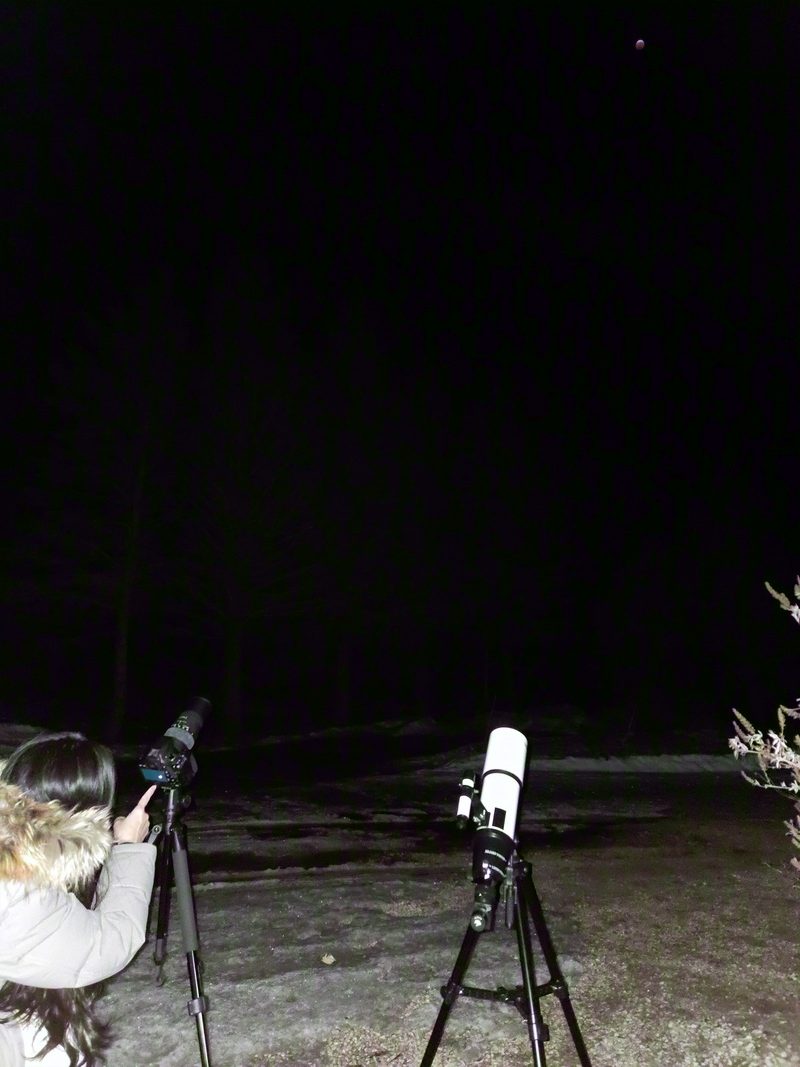
- Binoculars beat a cheap telescope. Any pair you already own will show you moons of Jupiter, star clusters and craters along the terminator of a half moon.
- A red headlamp for the walk back.
- Leave the white flashlight off. On a dark shore it reaches much further than you think and it resets everybody's night vision, including your own.
Keep it dark for the people after you
The reason the sky is like this is that a lot of people have made small unglamorous choices for 20 years. Shielded fixtures, lights pointed down, bulbs switched off when nobody is outside. It only takes a few bright yards to undo a shoreline.
So drive the lanes on low beams after dark, keep outdoor lights off when you are not using them, and if you are out at Singing Sands with a group, keep the white light off entirely. The other thing this protects is not visual: night-time light disrupts migrating birds, insects and the animals that hunt them, on a peninsula that is a UNESCO Biosphere Reserve largely because of what lives on it.

The photo at the top of this page is a long exposure taken from the lakeshore up here, not from a special viewing spot.
Keep planning
Where to go next
Singing Sands
The low horizon that makes the night work here, and what the same beach does in daylight.
Read the guide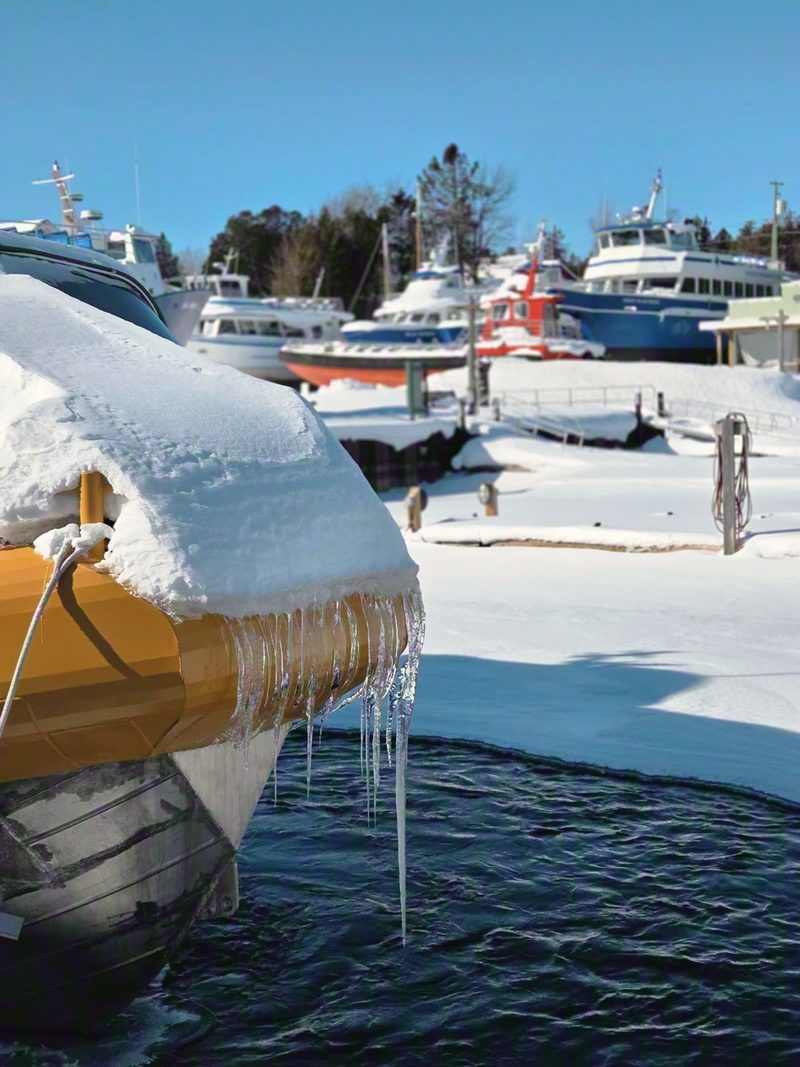
Tobermory in winter
Dark by 6 and clear for weeks. What is actually open when you come for the long nights.
Read the guide
Campfires and fire rules
Why there is no fire on that shore, and the free permit you need for one anywhere else.
Read the guide